Dozer Work
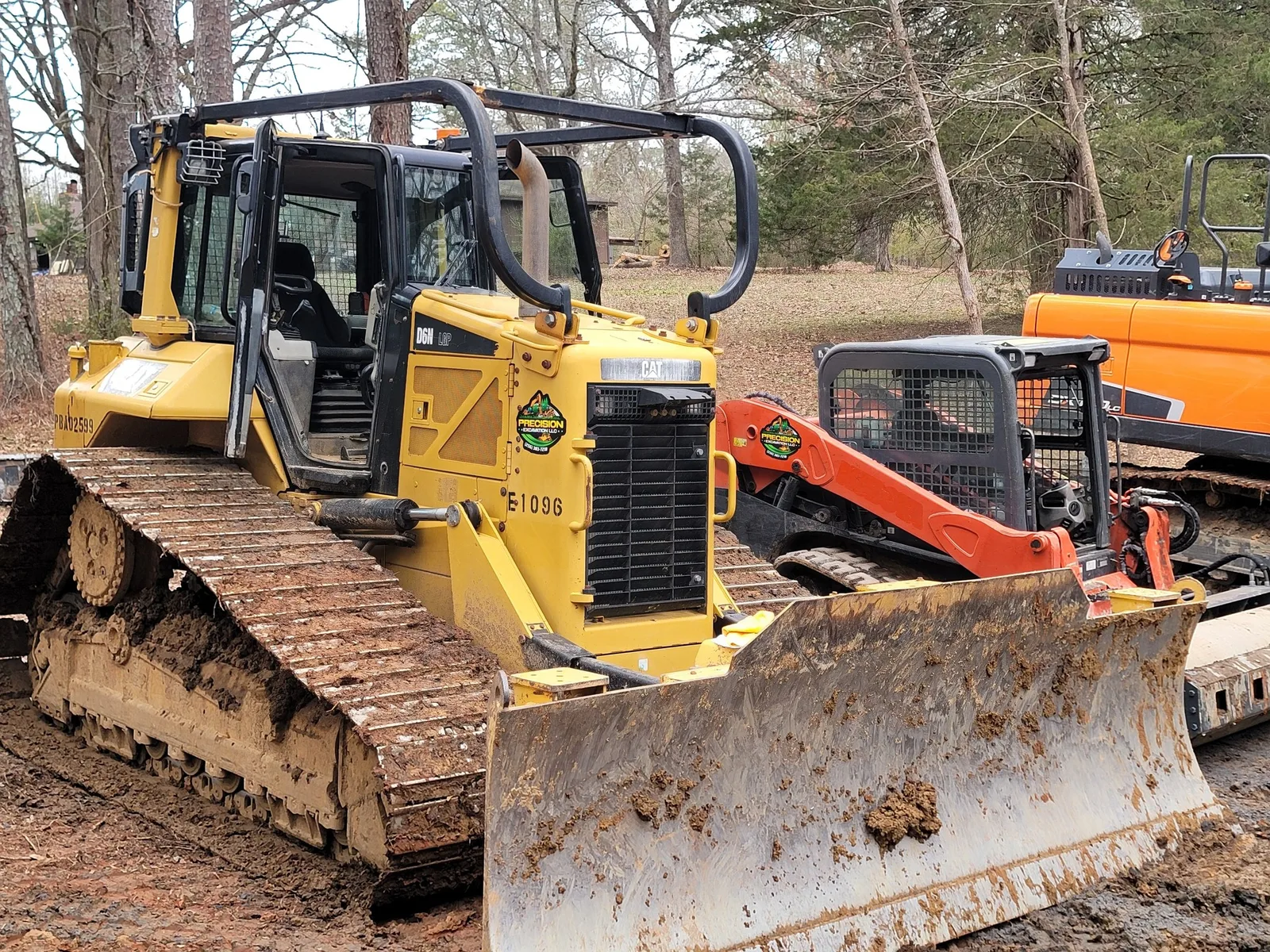
We run a crawler dozer for pushing brush, rough grading and leveling ground across North Alabama. That covers spreading fill, cutting pads, reclaiming grown-up pasture and shaping pond banks and road beds.
Learn More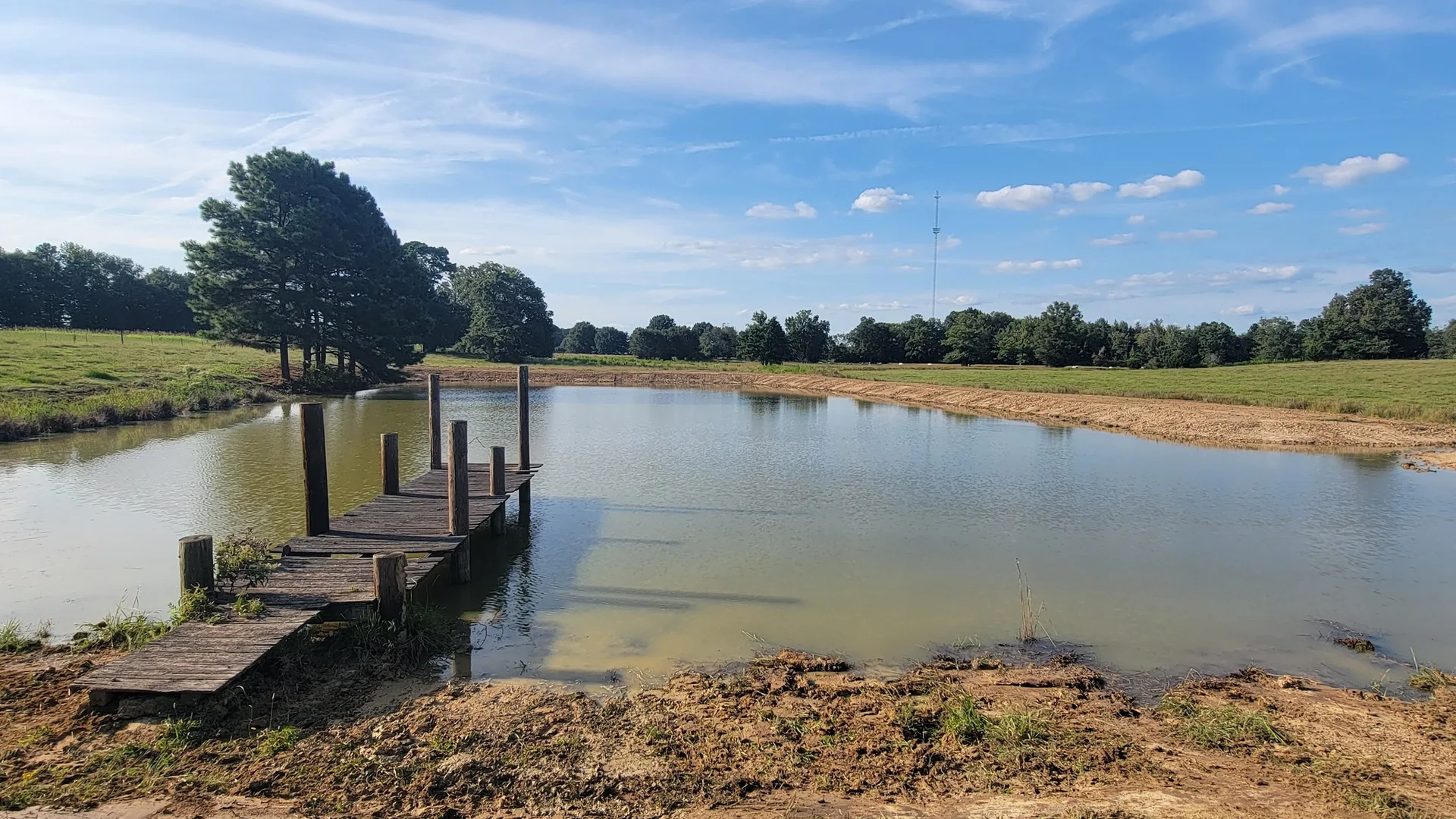
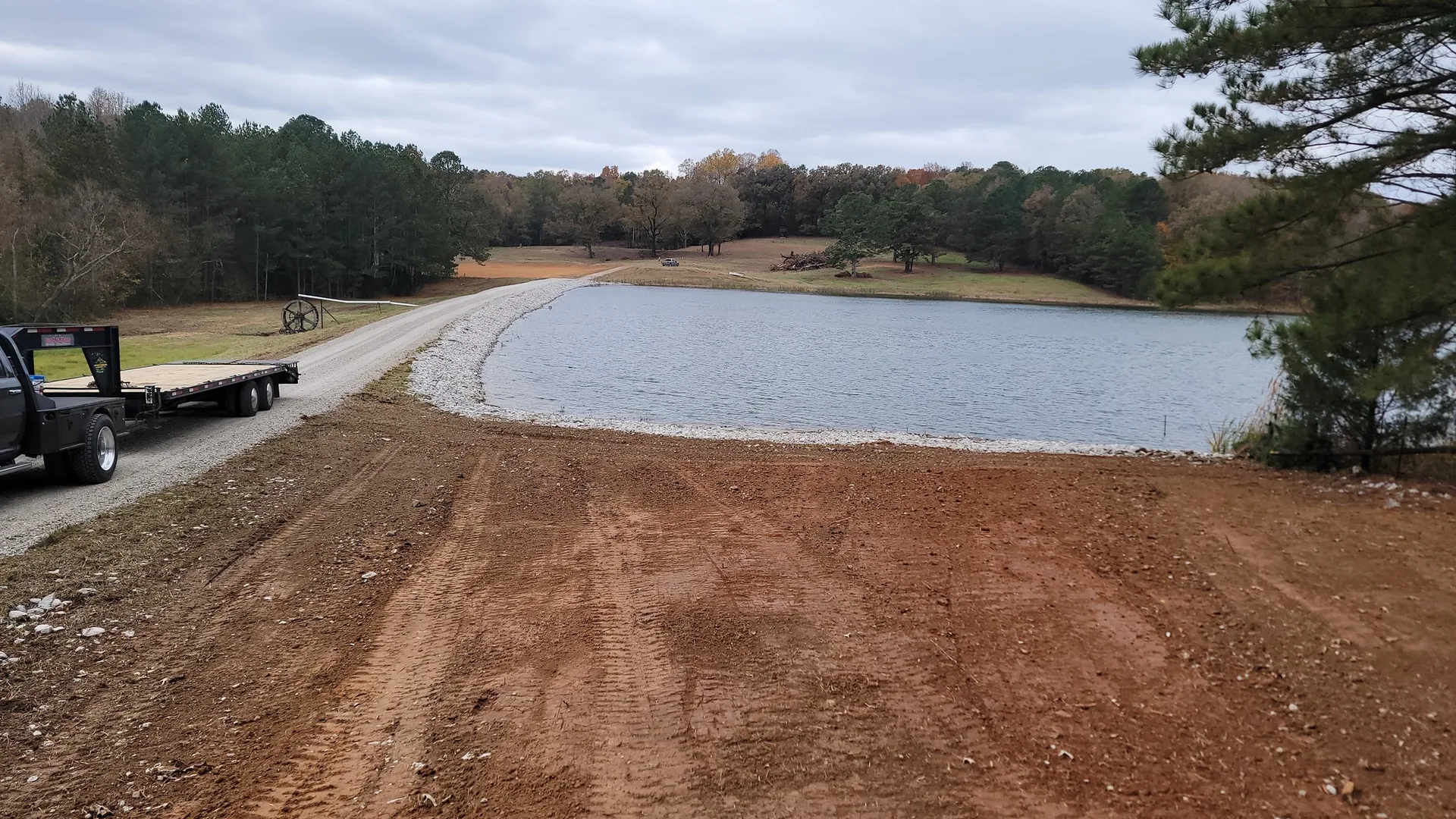
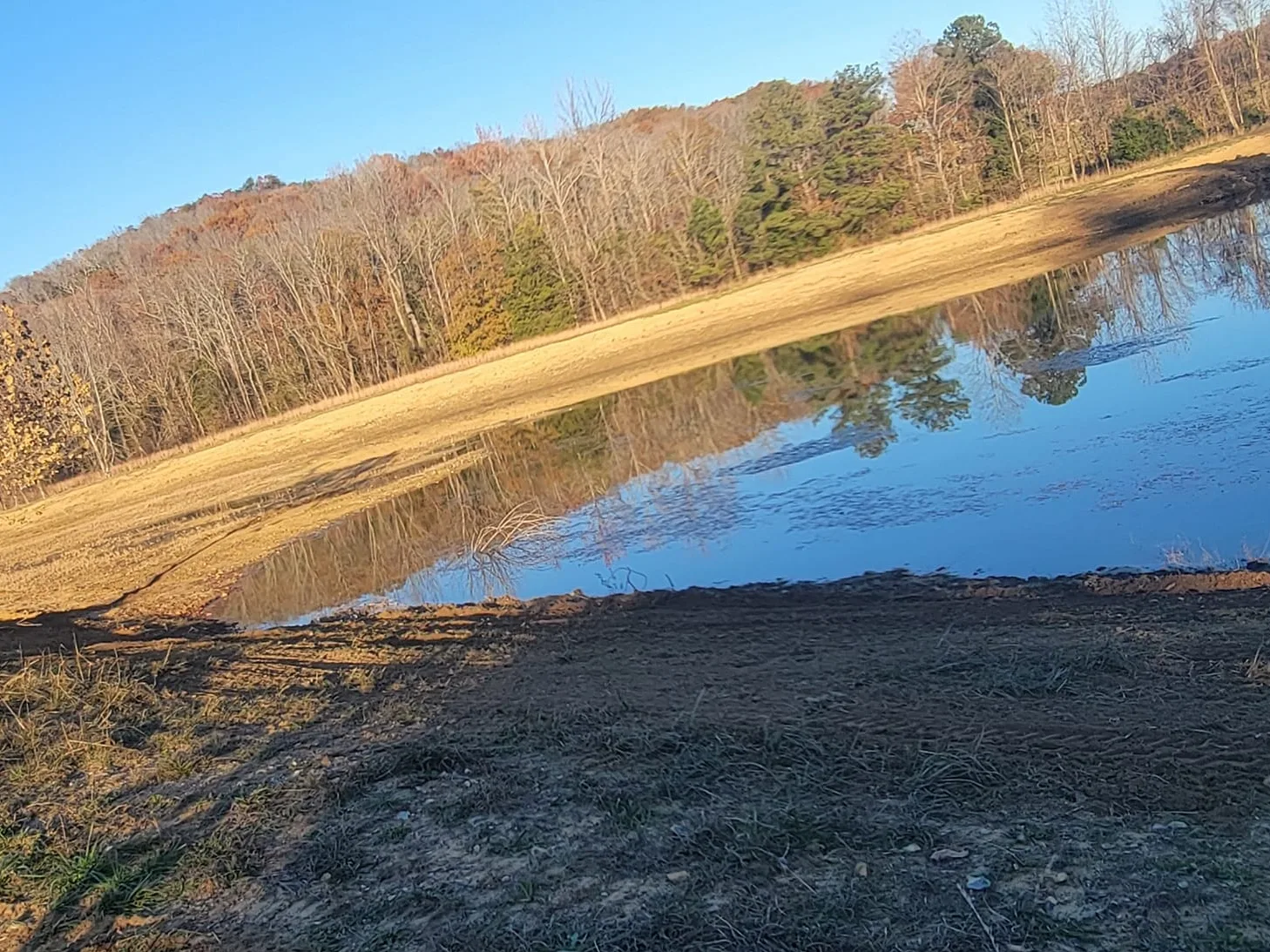
Pond construction is dirt work at scale. We dig and shape farm ponds and small lakes on private land across North Alabama. Some are new ponds cut into a pasture draw or a wooded hollow. Others are old ponds that silted in and need cleaning out.
A pond job starts with the ground itself. We look at the slope, the soil and where the water will come from. Then the trackhoe cuts the basin and the dozer builds and shapes the bank. Spoil gets spread on the property or hauled off by the truckload.
Tell us about the job. We will get right back to you.
The soil decides whether a pond holds water. Alabama Extension says clay and silty clay soils are excellent for ponds. Sandy clay usually works, while coarse sand and sand gravel mixes do not hold water. Extension looks for an impervious layer about 2 feet thick under the pond.
The Tennessee Valley sits on limestone, and that matters here. Extension warns that crevices, sinkholes and caverns can hide under the soil. A pond built over one can leak badly. Shallow rock is common too, and it gets pulled out with a ripper.
Water has to come from somewhere. Extension's rule of thumb is about 15 acres of watershed for every surface acre of pond. Heavy clay pasture may need only 5 acres, and sandy wooded ground can need 30 or more. Extension also says the lay of the land drives pond cost more than any other single factor.
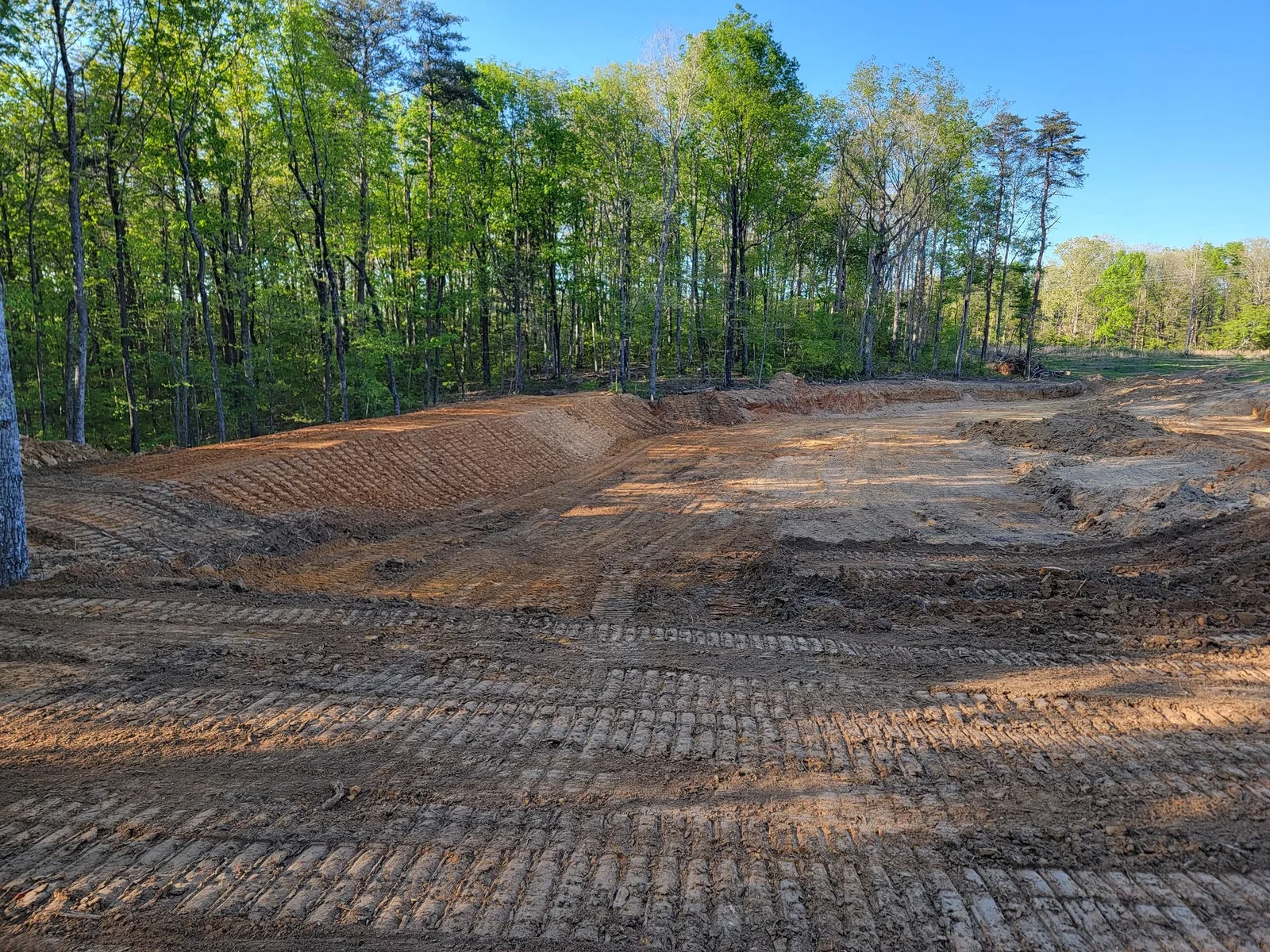
The site gets cleared first. Trees, stumps, roots and topsoil come out of the basin and the bank line. Organic material rots and leaks, so Extension calls for stripping it off every pond site. On a wooded site we clear the trees and brush off it before the dig starts.
Then the machines cut. The trackhoe digs the basin and loads spoil, and dozer work pushes and shapes the bank. Fill for the bank goes in thin layers and gets packed as it builds. Extension's guide calls for 6 to 8 inch layers and side slopes of at least 3 to 1.
The banks get smoothed and the spoil gets leveled or loaded out. Extension says to build a bank about 5 percent high so it can settle. Where a pond needs a designed dam or a sized overflow, that plan comes from NRCS or an engineer. We move the dirt and shape it.
Old ponds fill in. Runoff carries silt off the watershed, and cattle break down the banks over time. The pond gets shallow and weedy. A cleanout pulls the muck out, deepens the basin and rebuilds the bank.
Depth is usually the fix. Alabama Extension recommends a minimum average depth of 6 to 8 feet. Most farm ponds in the state hold 10 to 15 feet of water at the dam. Digging back down to depth is straight dirt work.
Wet muck needs a place to dry. We stage it back from the water and let it drain. Then it gets spread on low ground or hauled out. Dry weather makes all of this easier, and late summer and fall are usually the dry months here.
From the first call or text to the last load hauled off, here is how it goes.
Tell us what you have and where the property is. Photos of the ground help. Call or text (256) 303-7210 and we set a time to come look.
We come out and see the job in person. Trees, slope, wet spots and rock all change the work. The estimate comes after that, and it is free.
We decide which machines the job needs and in what order they work. Access, where the dirt goes and where the debris goes get settled first. Alabama 811 gets called before any digging starts.
Our lowboy brings the machines to the property and the work starts. The dump trucks bring material in and carry spoil, rock and debris out. We work in an order that keeps water running off the ground.
The debris leaves the property and the dirt gets rough graded back out. Water is shaped to run away from the pad, the drive or the house. Then we look the job over with you.
Common questions about pond construction across North Alabama. If yours is not here, call or text and ask.
We run a crawler dozer for pushing brush, rough grading and leveling ground across North Alabama. That covers spreading fill, cutting pads, reclaiming grown-up pasture and shaping pond banks and road beds.
Learn More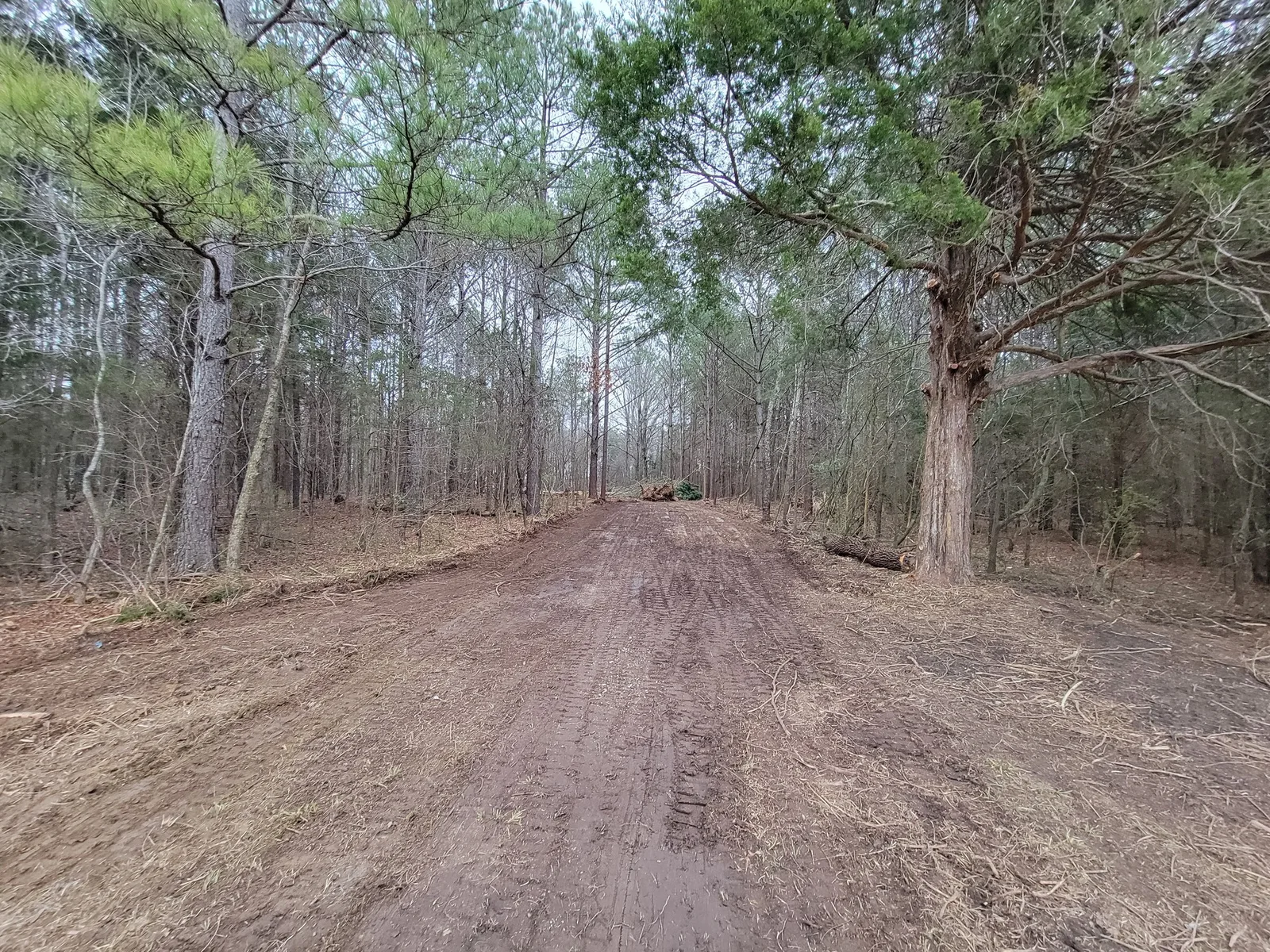
We clear wooded lots and overgrown acreage with the dozer and trackhoe. Trees and stumps come out, the debris gets hauled off, and the ground is left rough graded.
Learn More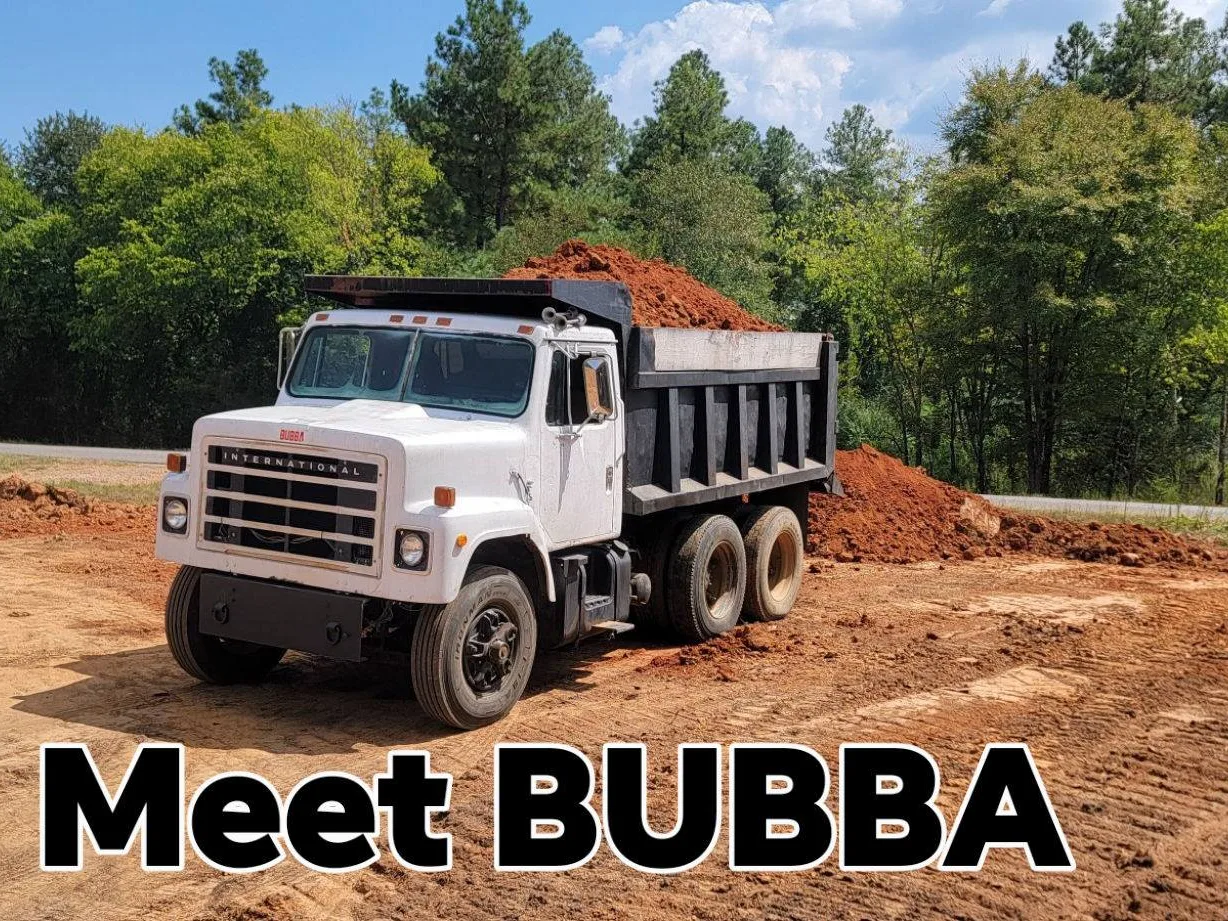
Two dump trucks move material by the load across North Alabama. Fill dirt, topsoil, gravel, crusher run and chert come in, spoil and debris go out.
Learn MoreThe excavators, the crawler dozer, the skid steer mulcher and two dump trucks belong to the company. A lowboy trailer hauls them to your property. One call puts all of it on the job.
The same company clears the lot, cuts the pad, shapes the drive and hauls the debris away. You line up one contractor for the dirt side of the work.
North Alabama sits on limestone and chert, often close to the surface. Our trackhoes carry rippers, so rock that stops a tractor or a post hole digger comes out. It gets moved, buried or hauled off.
We are based in Trinity and work about 60 miles out, all inside Alabama. That takes in the Decatur and Huntsville area, the Shoals, Cullman and the farm country between. Estimates are free, so call or text.
Tell us what you need done and where the property is. Call or text (256) 303-7210, or send the form and we will get back to you.
Tell us about the job. We will get right back to you.